


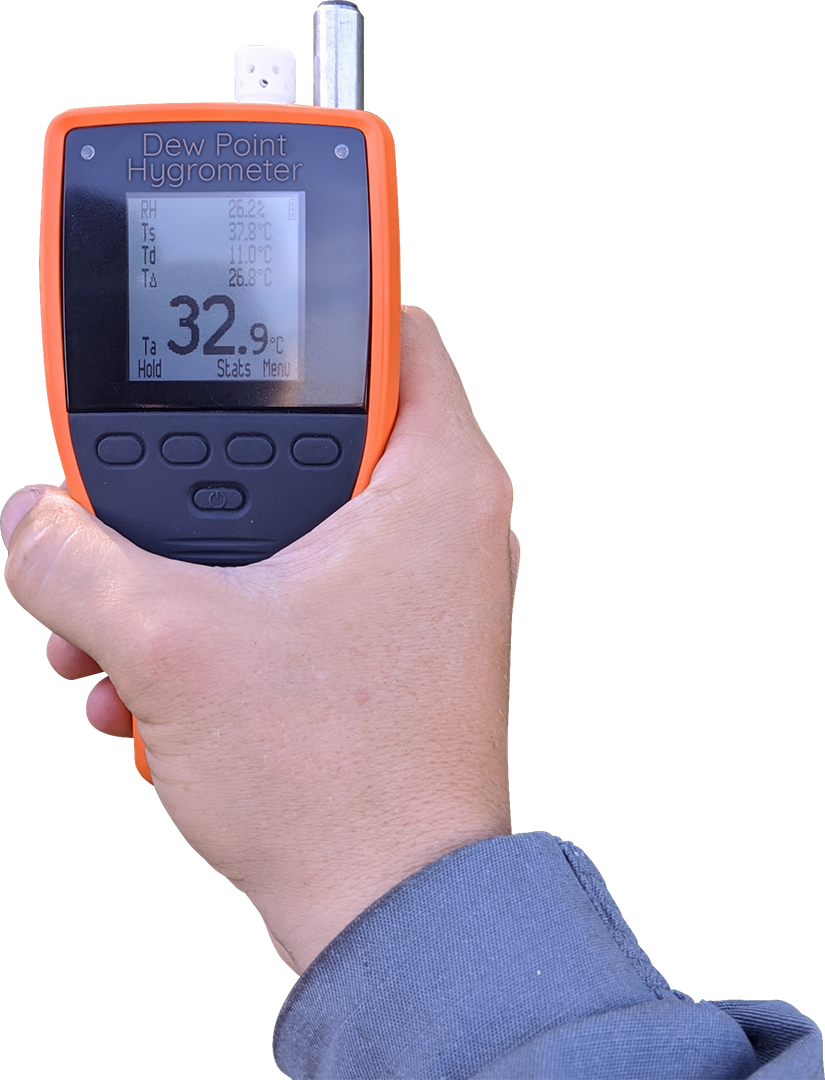
World Humidity Control Day commemorates John Frederick Daniell, born on March 12, 1790. Daniell was an English Chemist and Physicist who, in 1820, invented a dew-point hygrometer (a device that indicates atmospheric humidity) , which then came into widespread use.
Launched in 2024 by the UK HEVAC Humidity Control Group, World Humidity Control Day is taking place on
Friday 12th March 2027
to raise awareness of this important subject and the impact it has on our daily lives and the buildings we live and work in.
Why is humidity control important and what are the benefits?
Humidity control is important for several reasons. Firstly, it helps maintain a comfortable and healthy indoor environment. High humidity levels can lead to discomfort, as it makes the air feel heavy and can cause excessive sweating. On the other hand, low humidity levels can cause dryness in the air, which can lead to respiratory issues, dry skin, and irritation of the eyes and throat.

Controlling humidity also helps to protect your home and belongings. Excessive moisture in the air can promote the growth of mold, mildew, and bacteria, which can damage furniture, walls, and other household items. On the other hand, low humidity can cause wood to shrink, leading to cracks and damage to wooden furniture and flooring.

In addition, humidity control has benefits for your health. High humidity levels can create an ideal environment for the growth of dust mites and other allergens, which can trigger allergic reactions and asthma symptoms. On the other hand, low humidity levels can cause dryness in the respiratory system, making you more susceptible to respiratory infections.
Overall, maintaining proper humidity levels in your indoor environment not only contributes to your comfort but also helps protect your health and preserve your home and belongings.
Why humidify?
Studies have shown that when room relative humidity (RH) drops below 40 percent, absenteeism increases due to respiratory illness.
HUMIDIFICATION IMPROVES INDOOR AIR QUALITY
Bacteria and viruses thrive in dry air. This is why that scratchy sore throat you wake with when staying in a too-dry room lasts for days. Studies have shown that when room relative humidity (RH) drops below 40 percent, absenteeism increases due to respiratory illness. Proper humidification can reduce absenteeism as much as 18 percent. Humidified spaces feel warmer and are more comfortable for occupants, especially in cold climates where heating systems run frequently. Of course, controlling RH is important. Keeping RH levels within a range of 40 to 60 percent not only decreases bacteria and viruses in the air, but hinders the development of fungi, mites, chemical interactions, and ozone production. The result is reduced occurrences of allergic rhinitis, respiratory infections, and asthma among building occupants. To ensure that RH levels do not rise above 60 percent, responsive humidification system control is essential.
HUMIDIFICATION IMPROVES MANUFACTURING PROCESSES
Relative humidity levels affect manufacturing production rates, and product size, weight, strength, appearance, and quality. If you’ve ever known your laser printer to jam on a humid summer day, then you can understand how changes in texture, strength, or weight can affect the high-speed processing of hygroscopic materials.
Source: Humidity Matters website

IMPROVE INDOOR AIR QUALITY

IMPROVE MANUFACTURING PROCESSES

PRESERVE MATERIALS AND FURNISHINGS